Common Myths About Fractional Property Investment Debunked

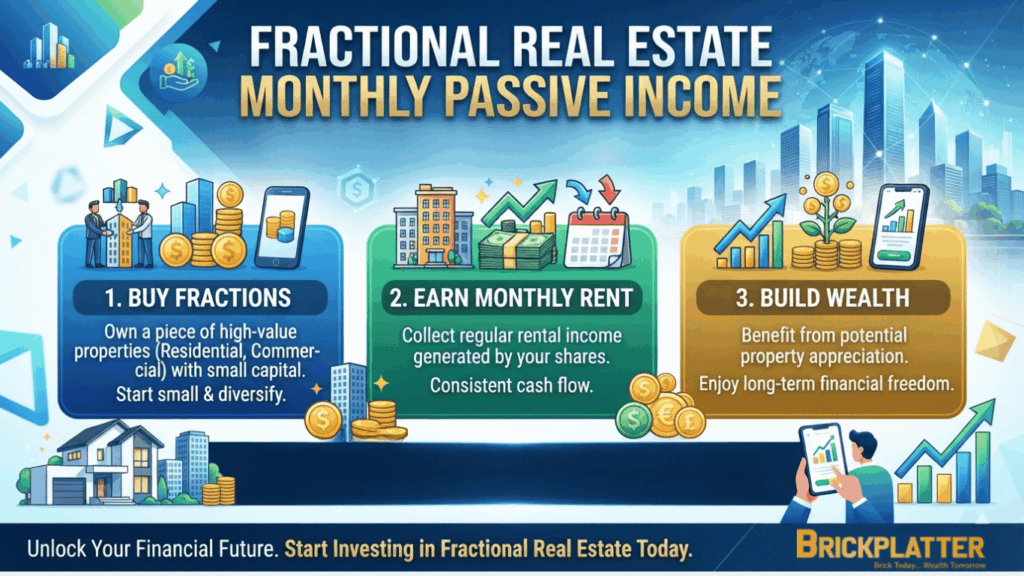
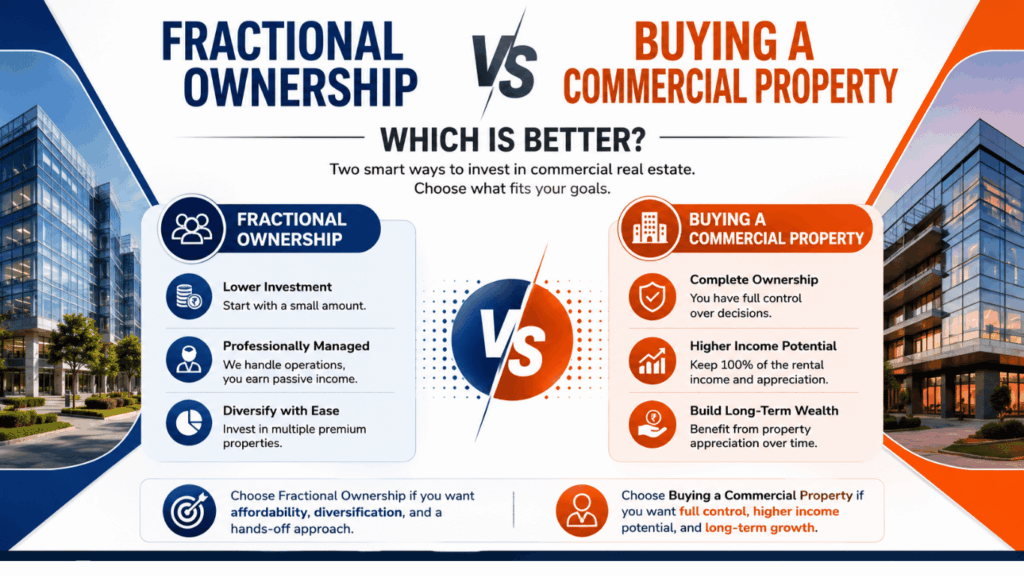
Real estate has long been considered one of the most reliable ways to build wealth. However, owning premium commercial or residential properties has traditionally required significant capital, making it inaccessible for many investors. The emergence of fractional property investment has changed this landscape by allowing multiple investors to own shares in high-value real estate assets. Through this model, investors can participate in income-generating properties with a relatively lower investment while enjoying the benefits of rental income and potential capital appreciation. Despite its growing popularity, many people still hesitate to invest because of misinformation and outdated beliefs. Questions about ownership, legal security, returns, and liquidity often create confusion among first-time investors. These misconceptions can prevent individuals from exploring an investment opportunity that may align well with their financial goals. This article explores the Common Myths About Fractional Property Investment Debunked, helping investors understand how fractional ownership works and why platforms like BrickPlatter are making premium real estate investment more transparent, accessible, and efficient. Understanding Fractional Property Investment Fractional property investment is a model where multiple investors collectively purchase a high-value property. Instead of buying an entire office building, retail space, warehouse, or luxury residence, each investor owns a specific share of the asset based on the amount invested. The property is professionally managed, and investors receive returns through rental income and long-term appreciation. This model allows individuals to diversify their investments without committing a substantial amount of capital to a single property. BrickPlatter simplifies this process by connecting investors with carefully selected real estate opportunities while ensuring transparency, professional management, and a seamless investment experience. Myth 1: Fractional Property Investment Is Only for High-Net-Worth Individuals One of the most common misconceptions is that fractional property investment is designed exclusively for wealthy investors. The Reality The primary purpose of fractional ownership is to make premium real estate accessible to a wider audience. Instead of investing crores of rupees in a commercial property, investors can participate with a significantly smaller investment, depending on the property and investment structure. BrickPlatter enables investors to access institutional-grade real estate opportunities that were previously available only to large investors and corporations. This democratization of property investment allows salaried professionals, entrepreneurs, NRIs, and first-time investors to build a diversified real estate portfolio. Myth 2: You Don’t Actually Own the Property Many people believe that fractional ownership is similar to investing in a mutual fund, where investors have no direct connection to the underlying asset. The Reality Fractional property investment provides investors with ownership in the property through legally structured entities. Depending on the investment model, ownership is managed through recognized legal frameworks that protect investors’ rights. BrickPlatter emphasizes transparency in ownership structures, ensuring investors understand how their investment is held and how income and appreciation are distributed. Investors benefit from genuine ownership exposure rather than simply purchasing financial units. Myth 3: Fractional Property Investment Is Too Risky Some investors assume that because multiple people own a property, the investment carries higher risks. The Reality Every investment comes with some degree of risk, whether it is stocks, mutual funds, gold, or traditional real estate. Fractional property investment is no exception. However, risk can often be managed through careful asset selection and professional management. BrickPlatter performs thorough due diligence before presenting investment opportunities. This includes evaluating property quality, tenant strength, lease agreements, market demand, legal documentation, and long-term growth potential. Such comprehensive evaluation helps investors make informed decisions rather than speculative ones. Myth 4: Returns Are Too Small to Make a Difference Many potential investors assume that owning only a fraction of a property means earning insignificant returns. The Reality Returns are proportional to the investment amount. Investors receive rental income and capital appreciation based on their ownership percentage. Premium commercial properties often generate stable rental income through long-term lease agreements with established tenants. Over time, investors may also benefit from the appreciation of the property’s market value. BrickPlatter focuses on carefully selected assets that offer the potential for attractive long-term returns while maintaining transparency in financial reporting. Myth 5: Fractional Property Investment Has No Legal Protection Legal uncertainty is another reason why some investors hesitate to explore fractional ownership. The Reality Reputable platforms operate within established legal frameworks and conduct extensive verification before listing properties. BrickPlatter ensures that each investment opportunity undergoes detailed legal due diligence, including verification of property titles, approvals, lease agreements, and ownership documentation. This approach provides investors with greater confidence in the assets they choose. Understanding the legal structure before investing is always recommended, and professional platforms provide clear documentation to support informed decision-making. Myth 6: It Is Difficult to Exit a Fractional Investment Some people believe that once they invest in fractional property, they cannot sell their investment when needed. The Reality Fractional property investments are generally designed as medium- to long-term investments. However, many investment platforms provide structured exit options, including secondary market transactions or asset sales after a predefined investment period. BrickPlatter focuses on creating transparent investment structures that clearly communicate the available exit strategies before an investment is made. Investors are encouraged to understand the expected holding period and liquidity options before participating. Myth 7: Fractional Property Investment Is the Same as REITs Many investors confuse fractional ownership with Real Estate Investment Trusts (REITs). The Reality Although both allow investors to gain exposure to real estate without purchasing an entire property, they operate differently. REITs invest in a portfolio of properties and are generally traded on stock exchanges, whereas fractional property investment provides exposure to specific real estate assets. Investors know exactly which property they are investing in and can evaluate its location, tenant profile, lease terms, and growth potential. BrickPlatter enables investors to make informed decisions by providing detailed information about each investment opportunity. Myth 8: Only Commercial Properties Can Be Fractionally Owned Some believe that fractional ownership is limited to office buildings. The Reality Fractional ownership has expanded into multiple real estate segments. Investors today can access commercial offices, retail spaces, warehouses, logistics parks, hospitality assets, luxury villas,
Common Myths About Fractional Property Investment Debunked Read More »