Table of Contents
ToggleSupreme Court to Hear Plea Seeking Stronger Protection for Homebuyers Under Subvention Plans
Apex Court Takes Up Key Matter on Builder-Bank Accountability
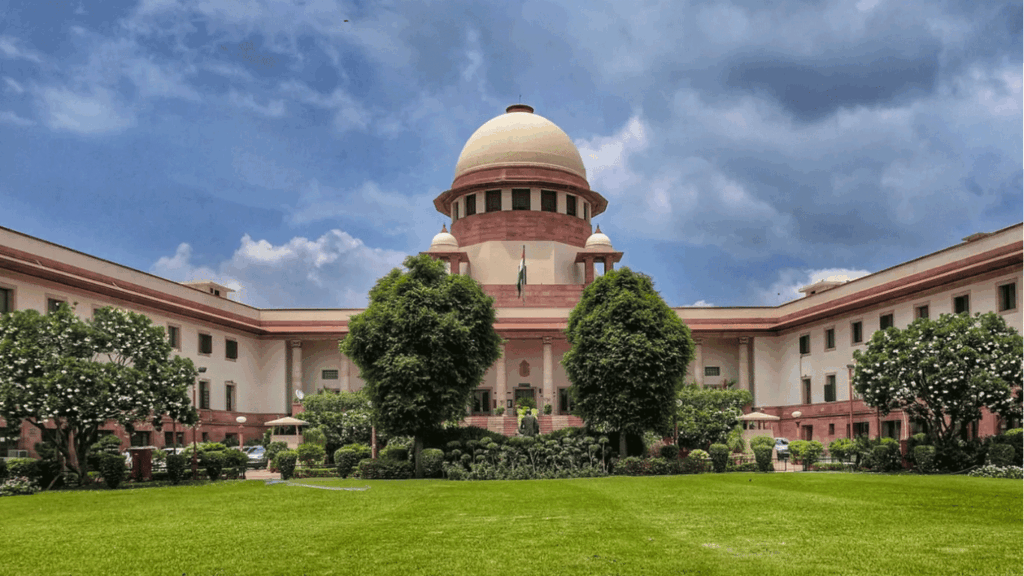
The Supreme Court has agreed to hear a significant plea seeking stronger legal protection for homebuyers affected by delayed or stalled housing projects under subvention plans. The petition urges the government to introduce a framework that ensures both builders and lending institutions share financial responsibility when promised homes are not delivered.
The development is expected to have major implications for thousands of homebuyers facing financial stress due to incomplete real estate projects.
What Is a Subvention Plan?
A subvention plan is a financing arrangement in which banks or financial institutions disburse the sanctioned home loan amount directly to the developer. Under the agreement, the builder is responsible for paying the EMIs until the property is handed over to the buyer.
However, when developers fail to meet their obligations and stop servicing the loan, many banks begin demanding EMI payments from homebuyers, even though they have not received possession of their homes.
Homebuyers Seek Fair Distribution of Financial Loss
The plea before the Supreme Court seeks a policy under which both the lender and the builder would bear equal financial responsibility if a project is not completed or the flat is not delivered as promised.
The petitioner has also requested the Centre to formulate a structured debt-relief mechanism for buyers affected by stalled housing projects, with greater emphasis on stage-linked loan disbursement and stricter compliance measures.
Supreme Court Issues Notice and Interim Relief
During the hearing, the Supreme Court issued notices to the Centre and other concerned parties, seeking their responses on the matter. The bench also directed that no coercive action be taken against the petitioner while the case is under consideration.
The petitioner argued that financial institutions have not been properly implementing safeguards associated with subvention schemes, leaving buyers burdened with loan repayments despite project delays.
Focus on Accountability in the Real Estate Sector
The issue has brought renewed attention to the relationship between developers and lending institutions in subvention-based housing projects. Consumer groups have long argued that buyers should not be forced to repay loans for homes that remain undelivered due to factors beyond their control.
The case is expected to influence future policy discussions on transparency, responsible lending practices, and consumer protection in India’s real estate sector.
Growing Importance for Homebuyers
With numerous delayed housing projects across the country, the Supreme Court’s consideration of this plea could pave the way for stronger safeguards and a more balanced allocation of financial risk among builders, banks, and homebuyers.
Industry observers believe the outcome may play a crucial role in improving confidence in the housing market while promoting greater accountability among all stakeholders involved in subvention-based financing arrangements.
Related Posts
- All Posts
- Blogs
- Commercial